

It’s Friday the 13th! Here are a few freaky animal blood facts to impress your friends (or your blood collection specialist at your next blood donation).
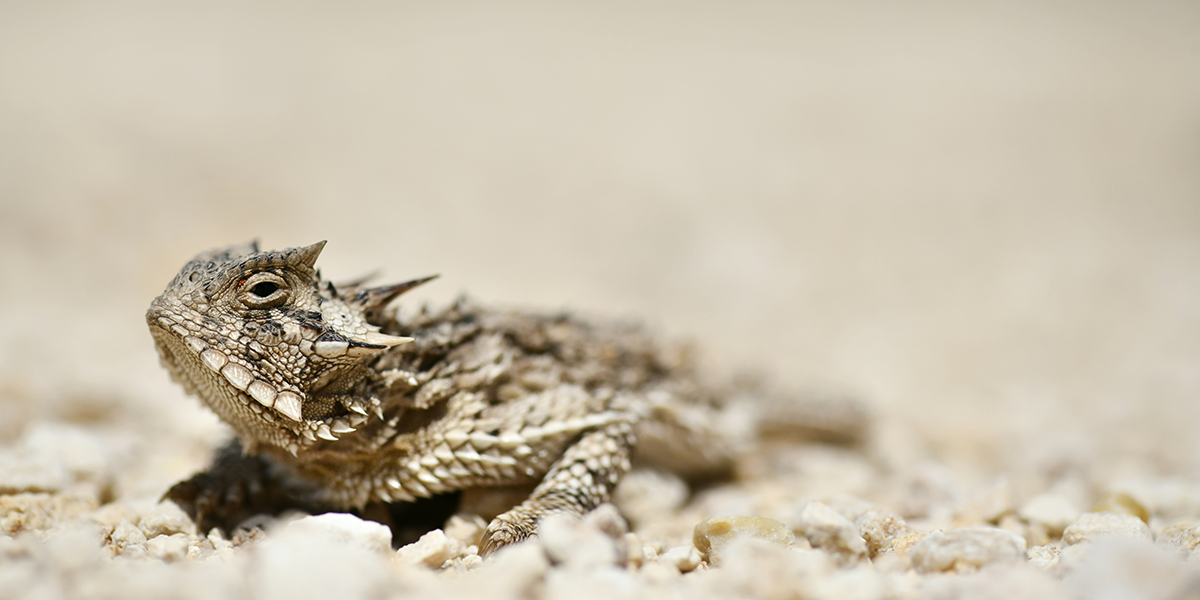
Horned lizards (aka horny toads) seem like they should be invincible. Despite being covered in spikes and experts at camouflage, these reptiles are still vulnerable to predation. When a horned lizard gets scared, it shoots blood from vessels around its sinuses to ward off the threat. Bonus: thanks to the lizards’ diet of venomous harvester ants, this blood smells and tastes terrible.
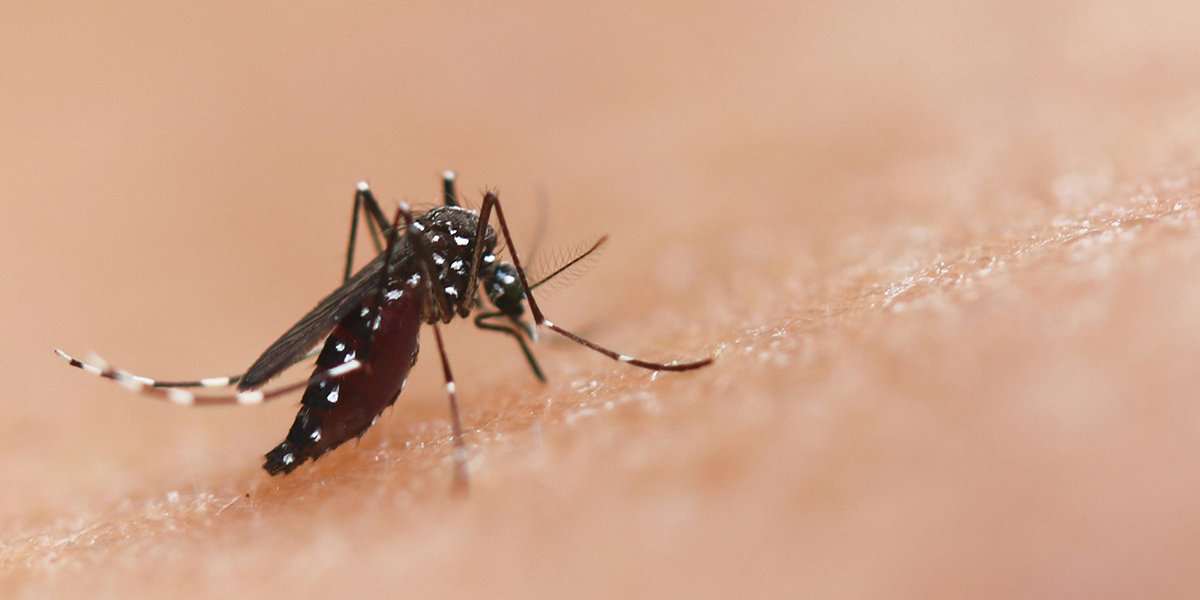
If it seems like mosquitos have an endless appetite, it might be because they have a way to fit up to 10 times more blood in their tiny stomachs. Blood is about half water. As a mosquito drinks, its body separates the red cells from the liquid and excretes this fluid out its back end.
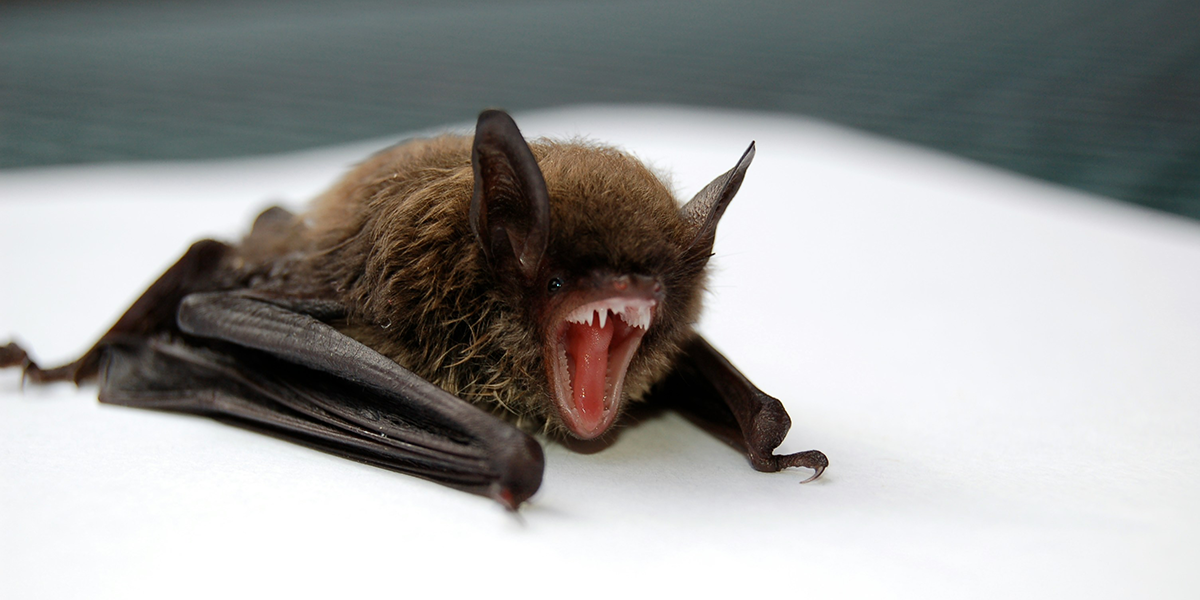
Blood isn’t a balanced meal – while it’s high in iron and protein, it lacks many other essential nutrients. Therefore, animals that subsist on blood, like alligator leeches and vampire bats, rely on symbiotic bacteria and special genetics to synthesize vitamins and minerals.
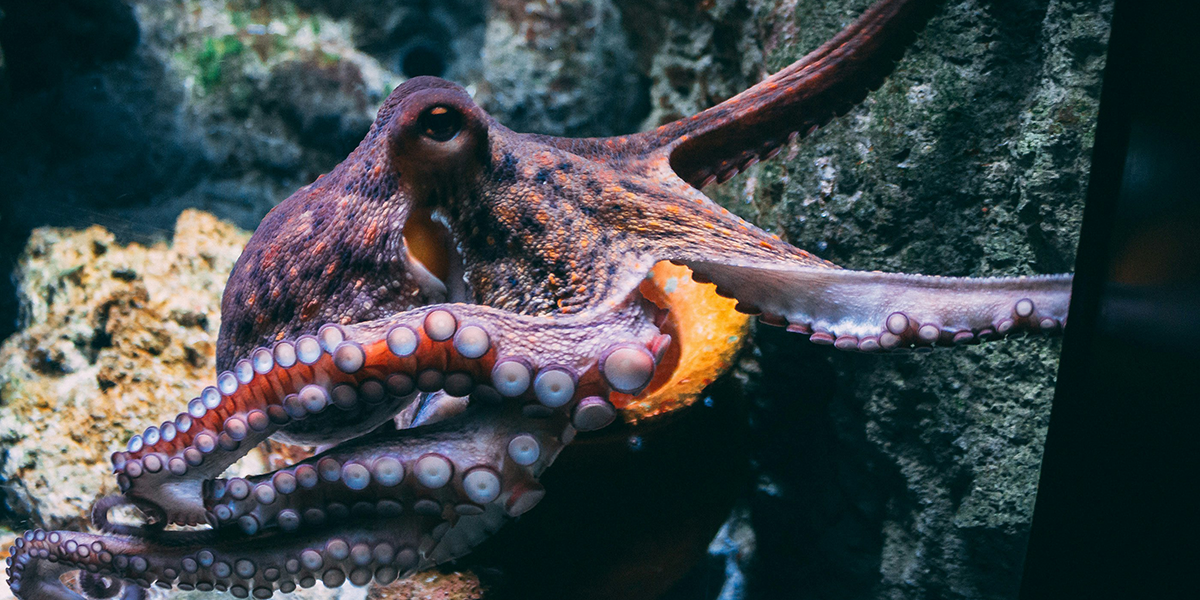
While human blood (and vertebrate blood in general) is red, thanks to hemoglobin, blood in the animal kingdom comes in every color of the rainbow. It all depends on what compound on the red cells carries oxygen.
Hemoglobin makes blood look red. Copper-based hemocyanin (found in squid, octopuses, and some crustaceans) makes blood look blue.
Skinks in the genus Prasinohaema have hemoglobin, but their blood contains so much bilirubin that it’s green.
Antarctic blackfin icefish dissolve oxygen directly into their bloodstream and don’t need blood cells – their blood appears white.
And insects don’t have blood at all – oxygen and nutrients circulate in hemolymph.
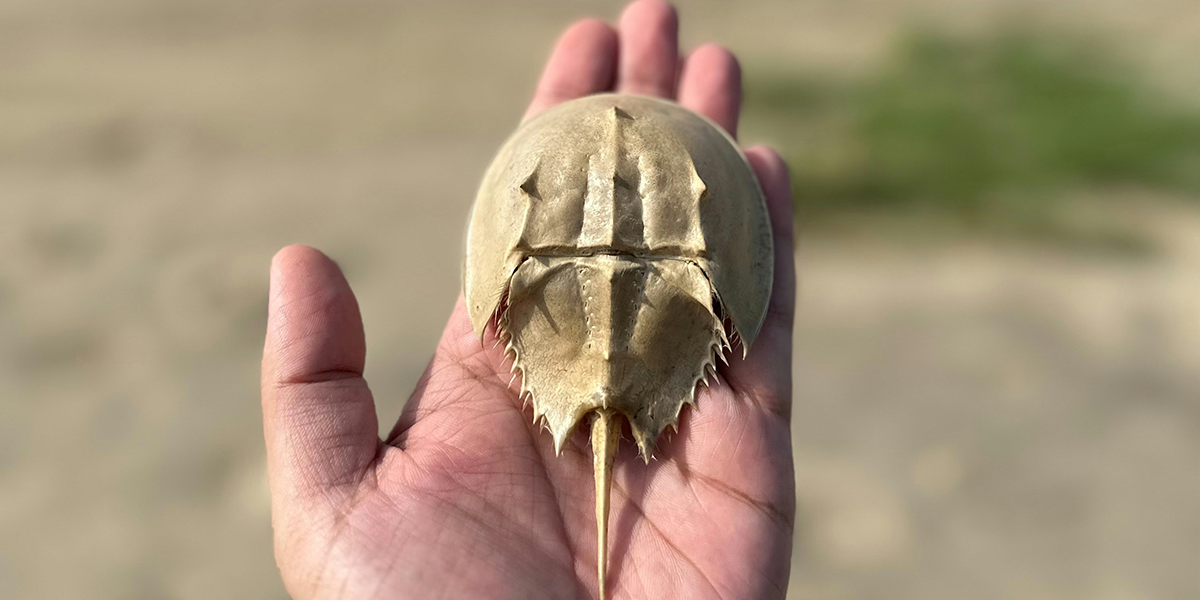
Horseshoe crab blood is a beautiful blue hue, thanks to hemocyanin. But that’s not the coolest part: horseshoe crab blood clots when exposed to toxic bacteria. This property saves both crab and human lives — horseshoe crab blood has long been used to test contamination in vaccines. There’s good news for the crabs, however: synthetic molecules can now do this job.
Blood can be weird but it’s also wonderful. There is no substitute for donated blood when it comes to saving lives.



Tell Us What You Think!