

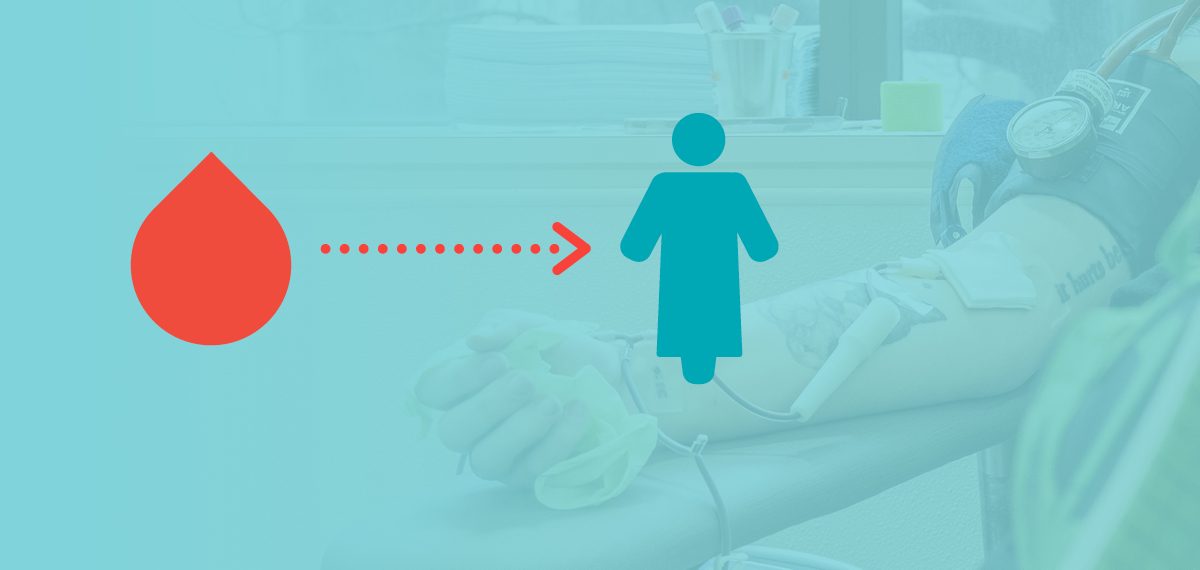
Every two seconds, someone in the U.S. needs blood. 99.9% of these patients rely on volunteer donors, receiving the gift of life from someone they may never meet.
The American medical system has seen an uptick in requests for directed blood donations in recent years, largely due to unscientific fears around COVID-19 vaccination. A directed blood donation is when a patient requests that a specific person, such as a friend, family member, parent, or spouse, donate blood for their upcoming medical procedure or transfusion rather than receiving blood from the community supply.
Directed blood donations have become nearly obsolete with modern screening and tests. Hospitals limit directed donations to specific, medically necessary instances, and Bloodworks does not store blood for specific patients, unless they have an extremely rare blood type and there is no other donor of the same type available. This is referred to as a designated donation.
Bloodworks Co-Chief Medical Officers Theresa Nester, MD and Kirsten Alcorn, MD, recently contributed to guidance to help patients understand potential limitations of directed blood donation requests.
Despite the understandable anxiety patients may feel around receiving a blood transfusion from a stranger, a directed blood donation is not actually safer or more compatible for the patient. Directed donations also involve complicated logistics that impact both the patient and their care team.
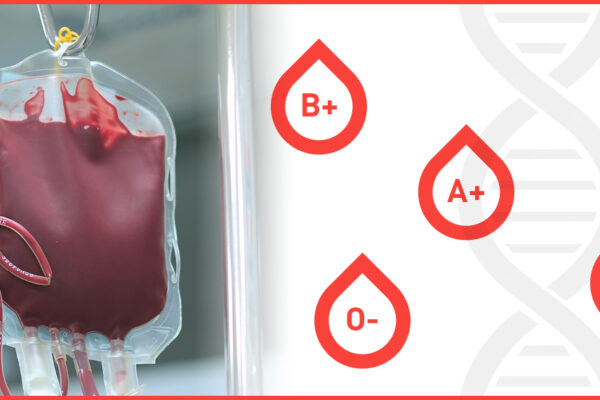
For starters, a donor must have an ABO and Rh blood type that is compatible with the patient.
Additionally, there are other considerations.
Blood donation is a voluntary act. Community donors are not under pressure to donate for any specific individual. When someone feels obligated to donate, there’s a risk they will not be truthful when answering the screening questions, which passes on risk to the recipient.
If a friend or family member’s blood does not meet the criteria or they are unable to donate for any reason when asked, this may lead to friction in their relationship with the patient.
Lastly, processing directed blood donations adds an additional layer of cost and logistics for blood banks and hospitals, which are passed on to the patient and may not be reimbursed by insurance companies.
Blood banking is a highly regulated environment, with strict controls, parameters, and guidelines to ensure the safety of every blood transfusion.
While there is a low risk of complications with every transfusion, such as infectious disease or reactions to red or white cell antibodies or bacteria, blood centers utilize every precaution available to minimize these.
We screen donors according to FDA policy and perform 13 tests on every donated unit. All equipment is stored in a temperature-controlled environment, and blood is processed in a defined window of time to ensure quality.
Blood from vaccinated donors is safe, and there is no risk of transmitting COVID-19 through transfusion.
For patients with rare blood types or who have developed antibodies from past transfusions, Bloodworks specialty labs work to identify a designated donor from our community donor pool or another blood center. These are donors who have been specially identified as the best match for a specific patient based on their blood type or specific medical needs. These donations are tested and processed as rigorously as any other donation, and selecting donors whose blood most closely matches the patient’s ensures better outcomes.
An autologous donation is when a patient stores their own blood in advance of a scheduled procedure. However, even this doesn’t remove all risk, and are not optimal unless the upcoming procedure will require at least two units of blood  — otherwise, autologous units just make the patient anemic prior to the surgery (and often are not even used)!
Some patients refuse a blood transfusion under any circumstances, most commonly for religious reasons. Bloodless medicine uses tools, treatments, and techniques designed to minimize blood loss and manage anemia before, during, and after surgical procedures. Doctors already look to reduce unnecessary blood transfusion whenever possible, and while bloodless procedures generally have outcomes comparable to standard operations, this is not an option for every procedure.
There is no substitute for donated blood. If you want to help a local patient, donate blood in their honor to Bloodworks or your local community blood center. The larger the donor pool, the better the outcome for all our loved ones.

Tell Us What You Think!