

Giving the gift of life through a blood donation is sweet, just like your favorite Halloween candy. Now, with this just-for-fun Halloween candy guide to blood donations, you can satisfy both your indulgent and altruistic sides.
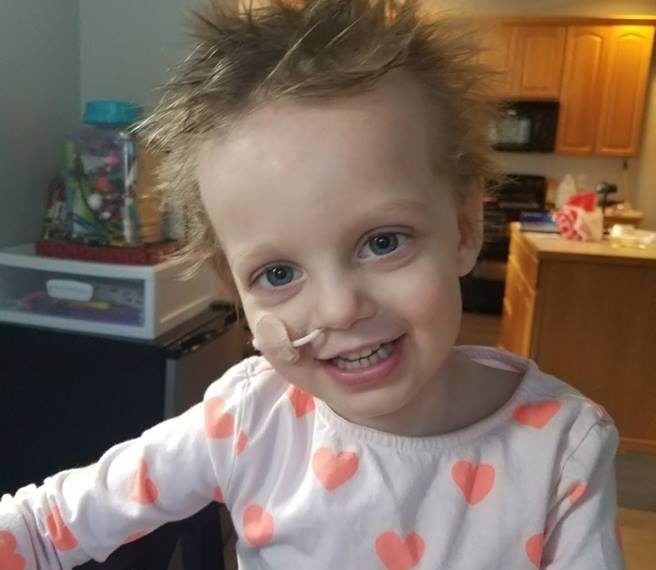
Five-year-old Layla kicked cancer at age five. After six rounds of chemotherapy, she knows exactly where your blood donations go.
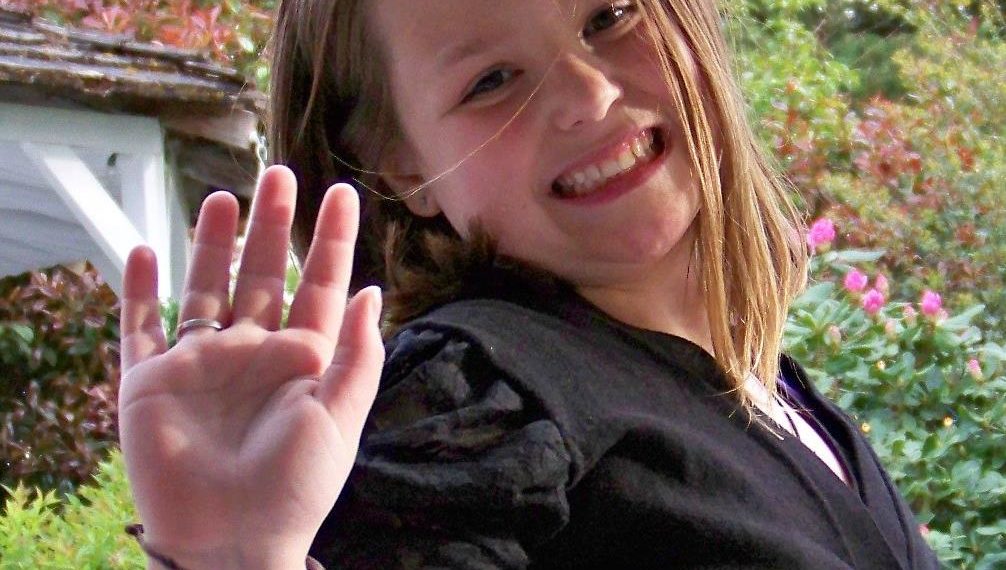
Gracie Lindal was the answer to her parents’ prayers – a bright, bubbly girl who loved music and snuggling with her beloved stuffed Ducky. She was 8 years old when she was diagnosed with ITP, a platelet-destroying disease that caused a brain bleed that took her life in December 2011.
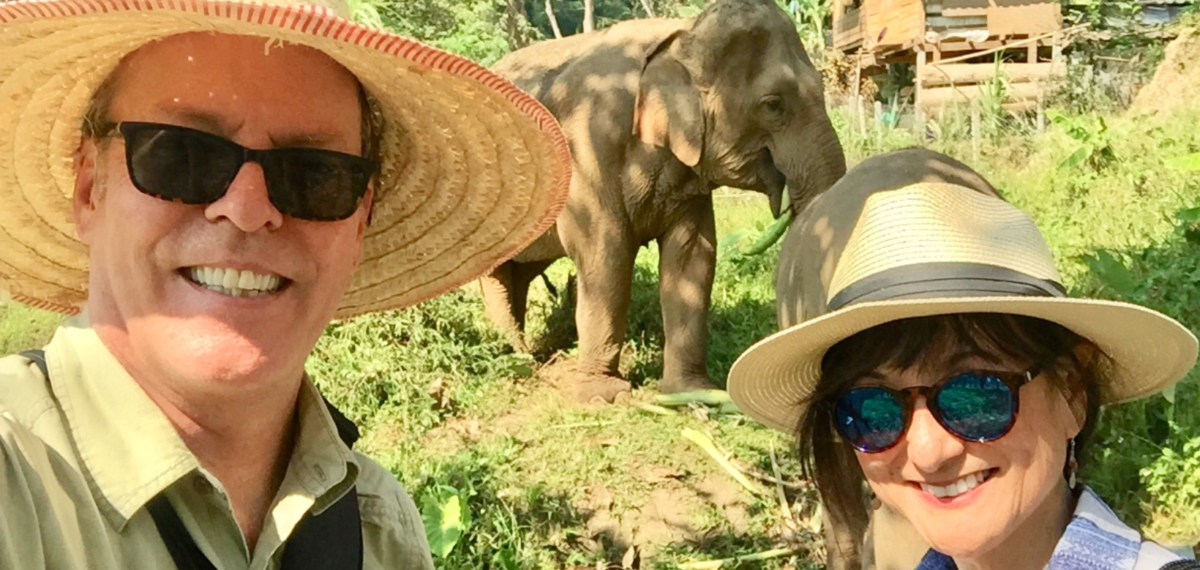
In February, my fiancé, Kathy and I visited Thailand. We toured grand palaces and Buddhist temples and floating markets around the sprawling capital of Bangkok, then traveled north to mountainous Chiang Mai where we walked with elephants and learned to make Thai food. Then the plan was to finish with beach time on the island of Koh Samui in the Gulf of Thailand. It was the kind of trip you look forward to for months. A dream vacation. And indeed, most of it was a dream. Most of it.