
Black Lives Matter is more than a political statement: it is commitment to our community.
Every person who suffers from a blood disease or cancer deserves fair and equitable treatment, but Black and African-American patients seeking life-saving stem cell transplants are significantly less likely to find a match.
Eight-year-old Dakhiyon Howard needs a stem cell transplant to treat his sickle cell disease, but he only has a 19% chance of finding a perfectly matched bone marrow donor. Because of HLA typing, stem cells from the bone marrow or cord blood of a donor from the same ethnic background greatly increases the likelihood of being a match.
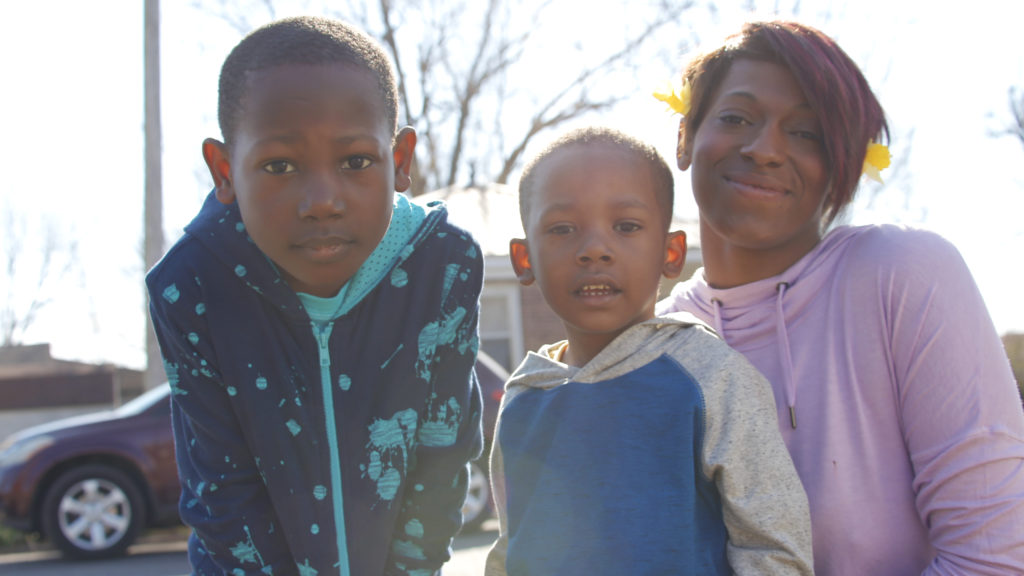
Umbilical cord blood helps even the playing field for ethnically diverse populations, but cord blood banks are still lacking in cord blood donations from Black families.
Thanks to the people who donated their baby’s cord blood, I got a second chance at life.
I was reborn.
Sosa, Cord blood transplant recipient
From the Tuskegee experiments and the genetic history of Henrietta Lacks, to today’s institutional medical racism, Black and African-Americans have many reasons to mistrust the healthcare system.
For Black History Month, we acknowledge this complex history while we work tirelessly to decrease the disparity of access to fair and equitable medical treatment. Bloodworks has hired a cord blood donor recruitment coordinator to increase cord blood awareness and education in local Black and African-American communities, and continue to advance our internal diversity and inclusion training and recruitment.
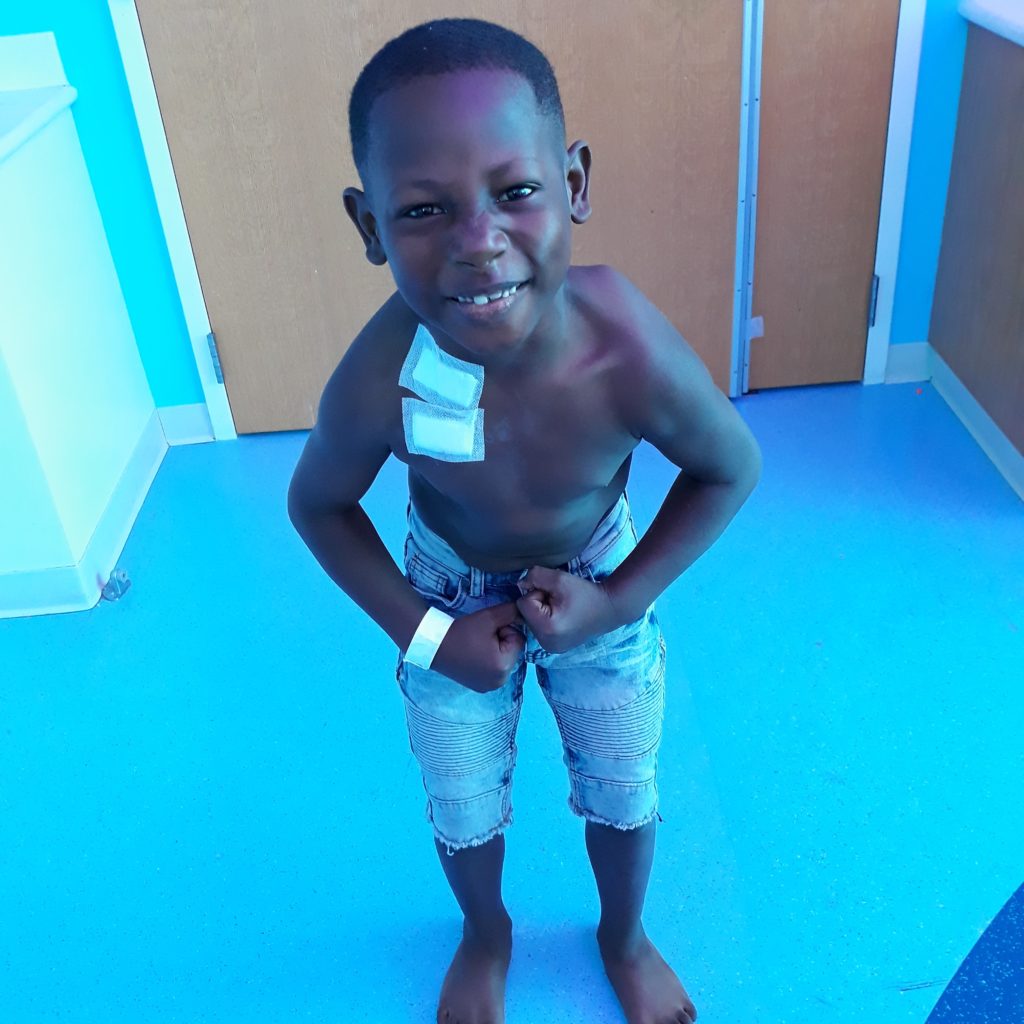
The Cord Blood Donation Program at Bloodworks Northwest is committed to increasing the number of banked cord blood units from Black donors so that children like Dakhiyon can receive a cord blood transplant – and so that other families will have hope.
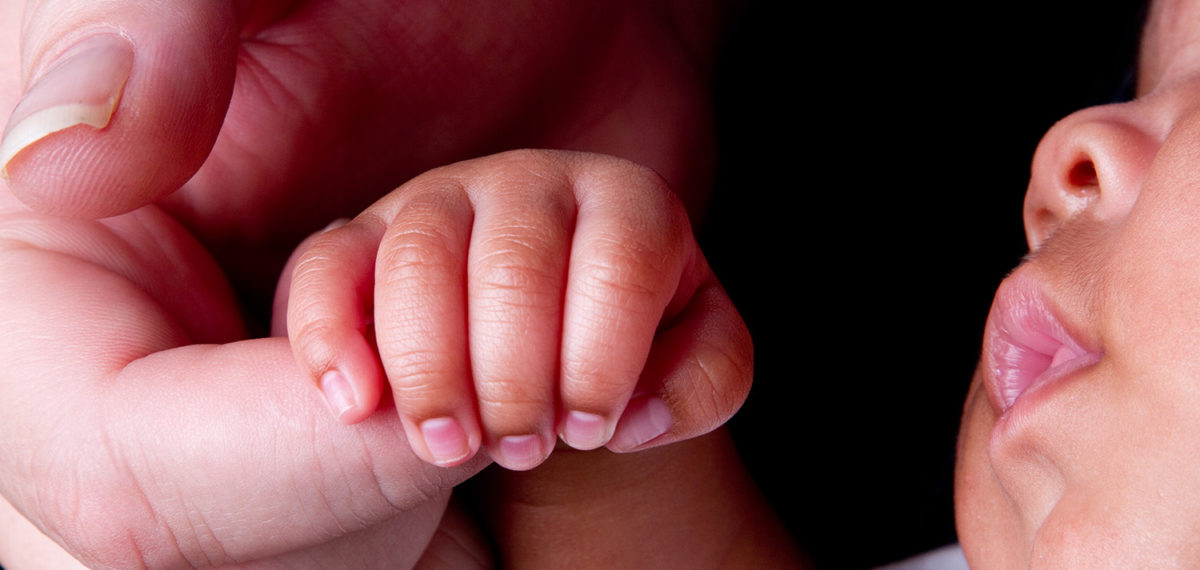
Cord blood donation can turn your baby’s first moments into someone else’s second chance. For a list of participating hospitals and to enroll as a cord blood donor, visit our website or talk to your provider.
Comments
Share your thoughts →John Howard
The voluntary collection and Donation of Cord Blood to a Public Cord Blood Bank is one of the greatest things that expectant Mothers and families can do if given the opportunity. Unfortunately, that opportunity is not always there to give.
Presently, there are two Military Hospitals partnering with Public Cord Blood Banks, Tripler Army Medical Center with Hawaii Cord Blood Bank / Bloodworks Northwest Cord Blood Bank and Womack Army Medical Center with Carolinas Cord Blood Bank. Both of the longtime partnerships have saved lives and improved the ethnic diversity of the Stem Cell Registry.
At one time, Bloodworks Northwest Cord Blood Bank partnered with Madigan Army Medical Center, but that partnership ended. Don’t know why. If Bloodworks Northwest Cord Blood Bank wants to give individuals with a diverse ethnic background needing a Stem Cell Transplant a better chance at a match, maybe restarting that partnership with Madigan Army Medical Center would help.
The same could be said of a former partnership between the Naval Medical Center, San Diego and the San Diego Blood Bank’s Cell Therapy Department and its Public Cord Blood Bank.
Tell Us What You Think!